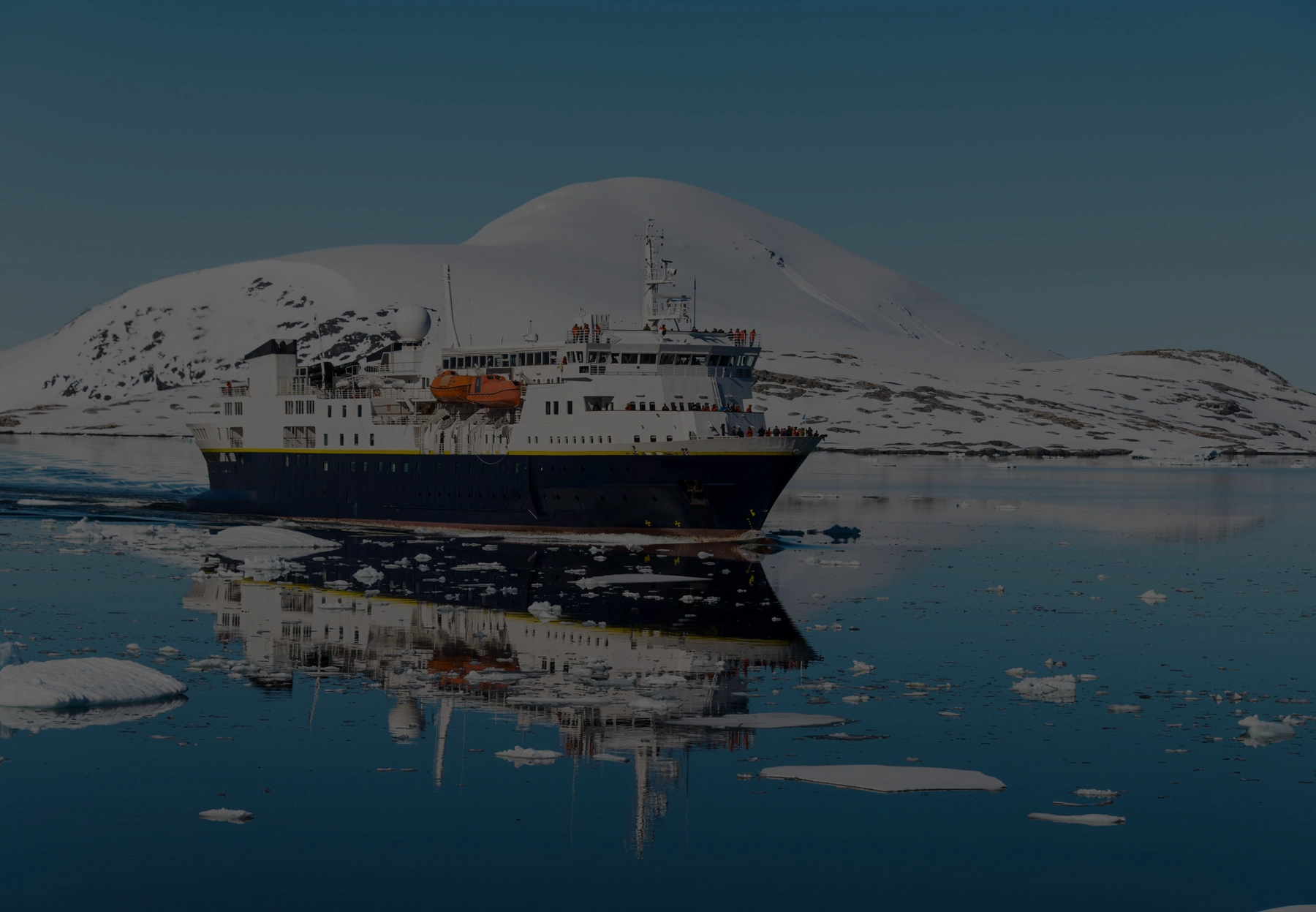
Polar expedition experiences
Traversing untouched glacial valleys demands polar expedition fitness, physical endurance and cold-weather resilience.
Remote arctic geographies
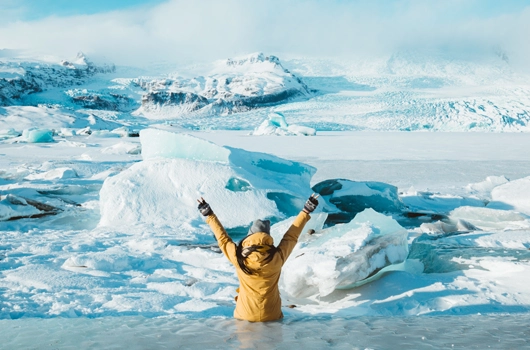

Frozen tundra open landscapes
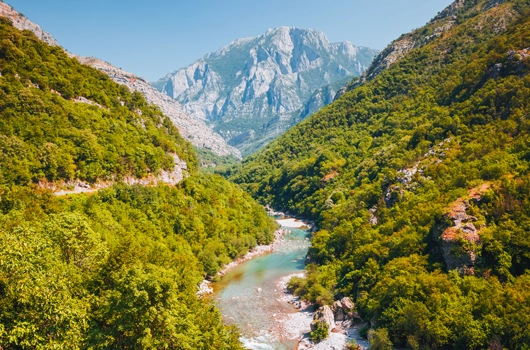
Deep alpine valley canyons
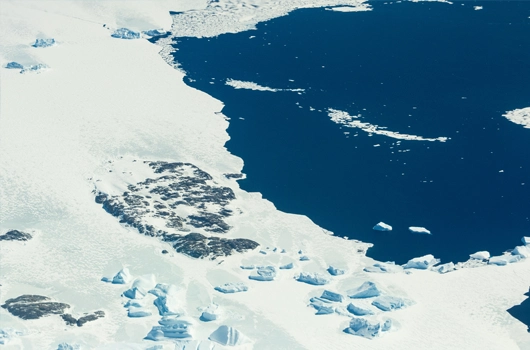
Glacial coastline ice formations
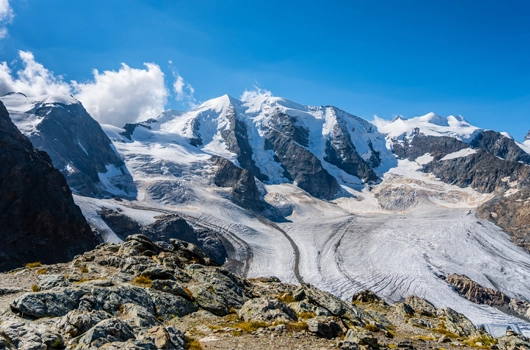
High elevation mountain passes
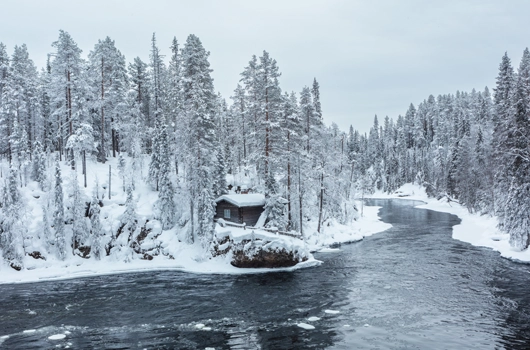
Subarctic boreal forest routes
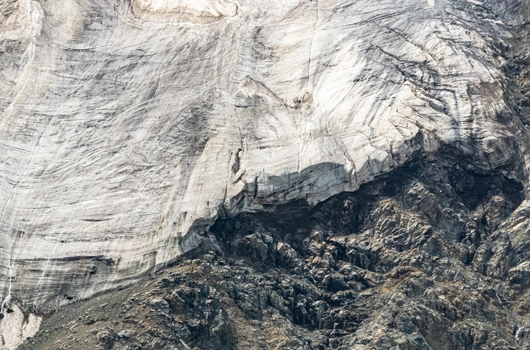
Permafrost covered plateau regions
Infrastructure of alpine winter resorts
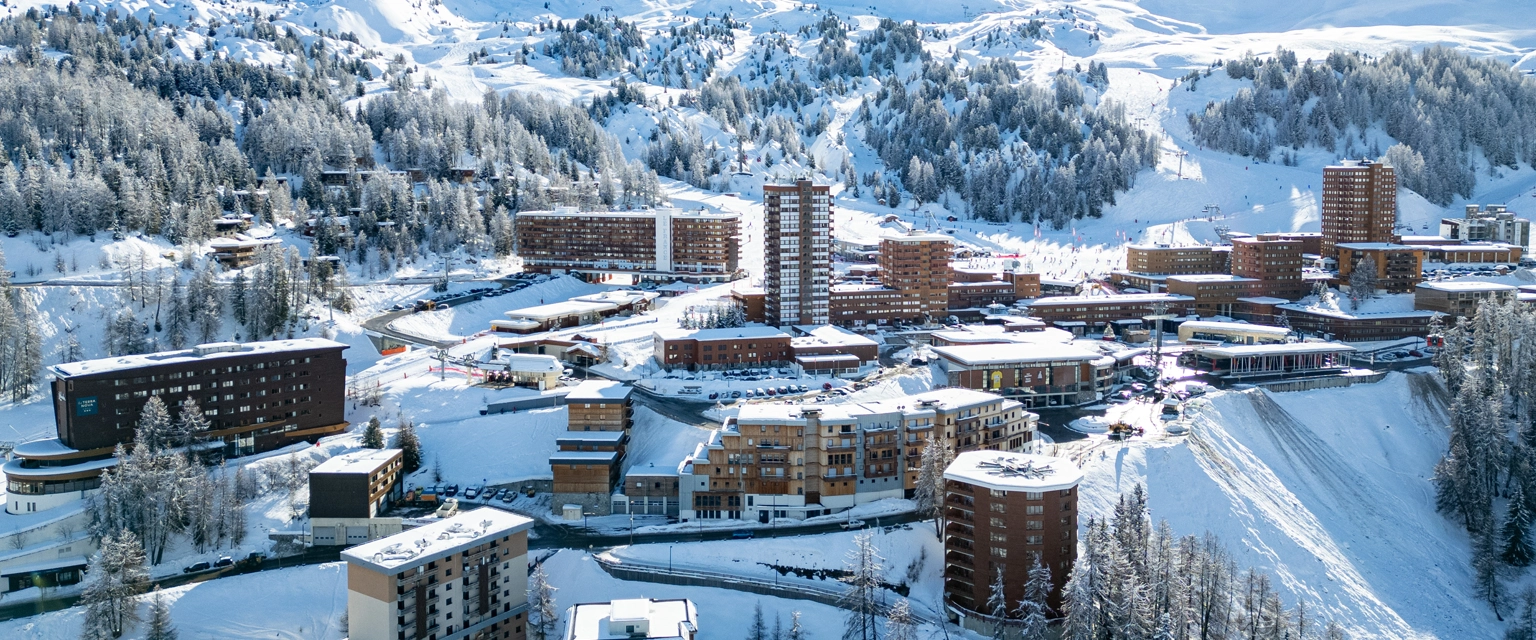
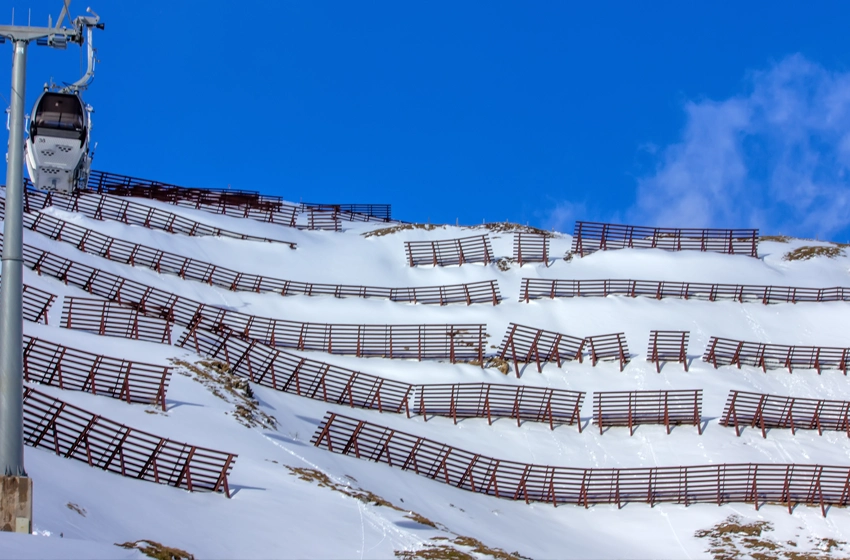
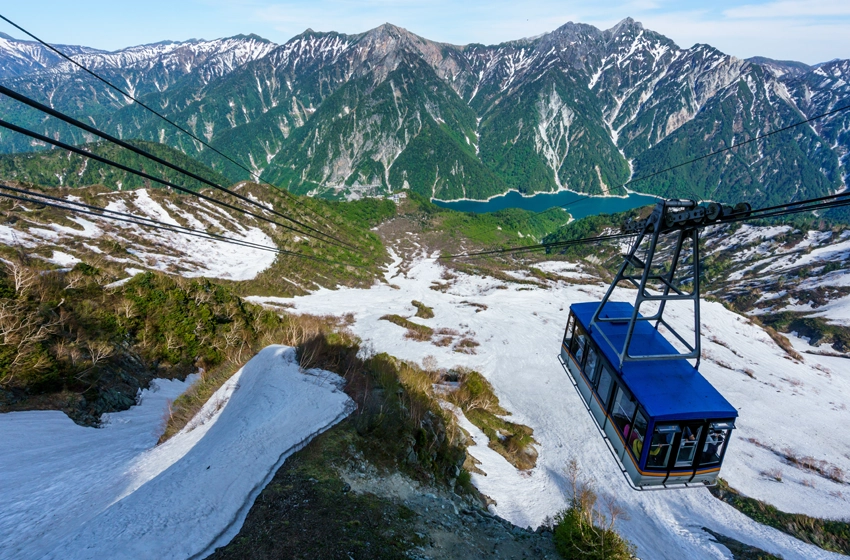
Groomed ski slopes carve through dense pine forests, offering varied ski terrain for different skill levels. State-of-the-art chairlifts transport visitors towards high-altitude peaks, reducing steep uphill approaches. Modern resort facilities integrate into the rocky mountainside, providing shelter from harsh prevailing winds.
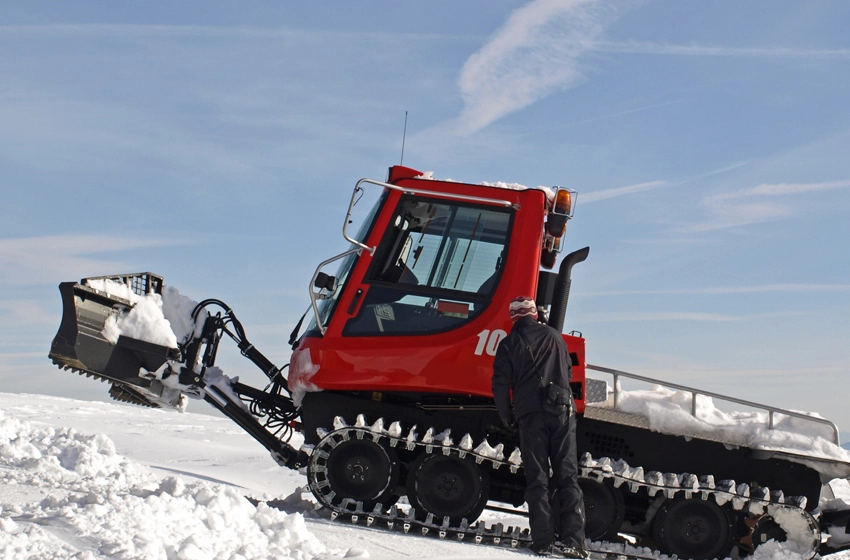
Artificial snowmaking equipment maintains reliable surface conditions throughout the season when natural precipitation is unpredictable. Snow grooming machines operate nocturnally to compact loose powder into firm, reliable ski runs down the mountain.
Base lodge architecture utilizes heavy timber framing to withstand heavy snow loads on extensive roofs. Large thermal glass windows maximize passive solar heating while offering panoramic views of the surrounding peaks. Dedicated equipment rental shops maintain vast inventories of specialized gear, ensuring proper fit and function for specific mountain conditions. Storage lockers feature integrated boot warming systems to prepare footwear before morning departures.
Dynamic winter disciplines
Cross country navigation
Gliding across flat open meadows requires cross-country skiing endurance and precise rhythmic motion. Lightweight fiberglass skis distribute body weight evenly, preventing deep sinking into accumulated soft powder.
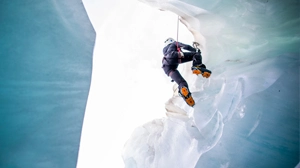
Vertical ice ascension challenge
Scaling frozen waterfalls requires ice-climbing crampons securely fastened to rigid boots. Controlled swings with ice axes establish solid anchor points without shattering the brittle frozen surface.
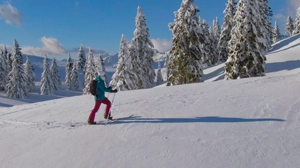
Backcountry splitboard touring
Ascending steep inclines relies on splitboard climbing skins attached to the base of divided boards. At the summit, the board halves reconnect firmly for backcountry descents through untracked wilderness.